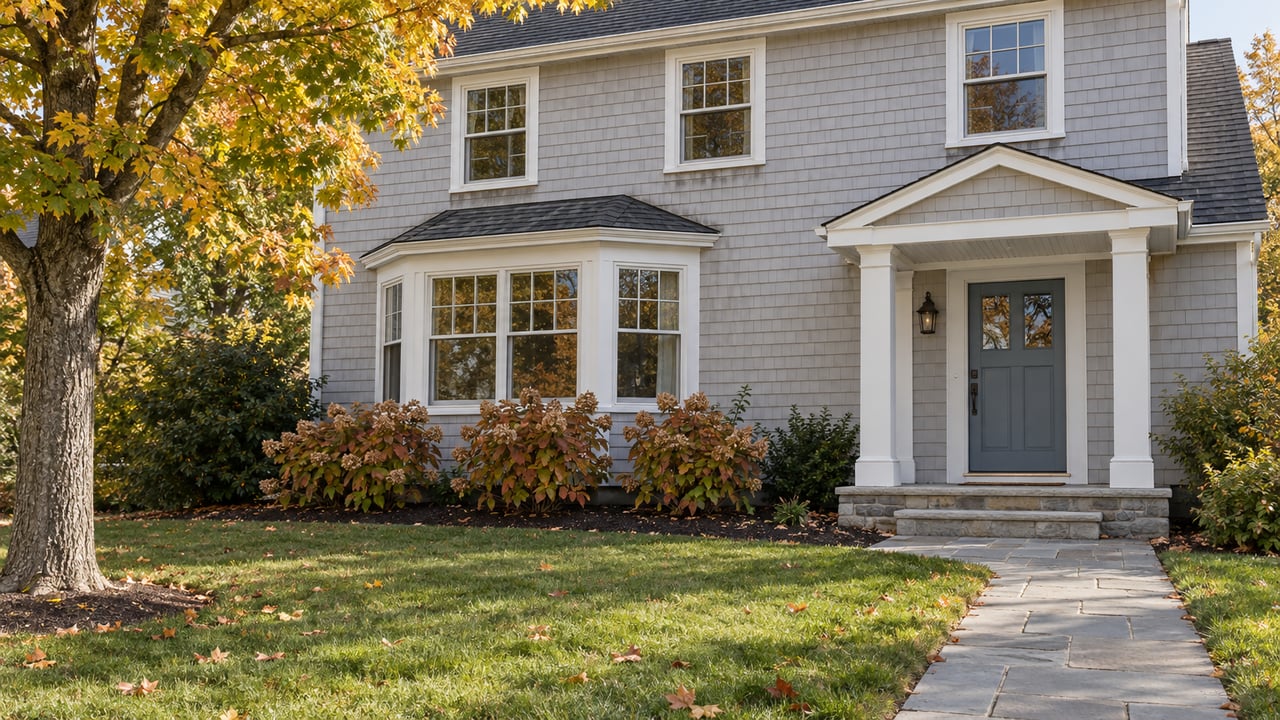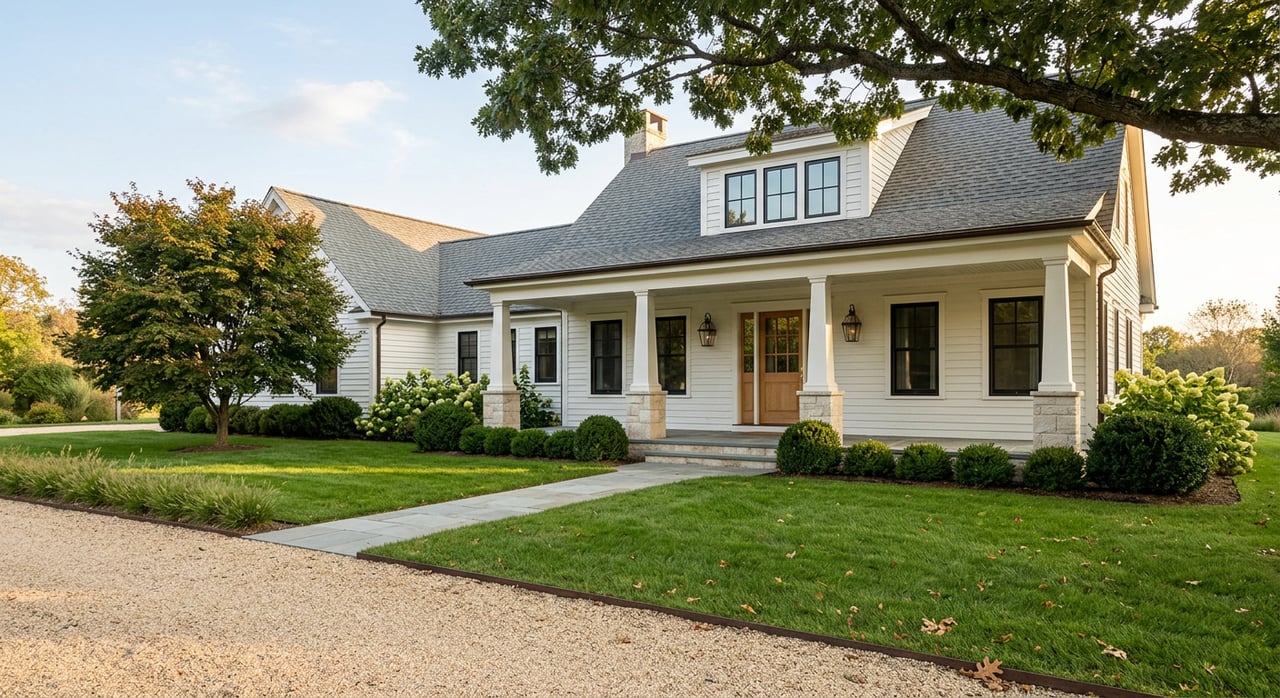
Thinking about building your dream home in Easton? You are not alone. Many buyers choose Easton for its space, privacy, and classic Connecticut setting. But low‑density zoning, well and septic rules, and a multi‑step permit path mean you need a clear plan before you buy land or break ground. In this guide, you will learn how zoning shapes what you can build, how septic and wells are approved, the permits to expect, financing options, timelines, and the exact due‑diligence steps that protect you. Let’s dive in.
Easton zoning at a glance
Easton’s rural character starts with low‑density residential zoning. Understanding minimum lot sizes, buildable area, and setbacks will help you quickly filter lots that fit your goals.
Minimum lot sizes and setbacks
- Residence A requires at least 40,000 square feet, about 0.92 acre. Residence B requires 3.0 acres. These are base minimums, not guarantees that a house can be placed anywhere on the lot. Easton’s zoning regulations also include minimum buildable‑area requirements.
- Typical dimensional rules include a 50‑foot front setback from the property line, 75 feet from the roadway centerline, and 40‑foot side and rear setbacks in residential districts. Minimum frontage of 100 feet is commonly required. You will confirm the specifics for your zone on the town table.
Buildable area vs. acreage
A lot’s stated acreage is not the same as usable, buildable area. Wetlands, steep slopes, ledge, and required setbacks can shrink where you can place the house, septic, and well. Easton also has scenic and conservation priorities that can affect tree removal and driveway placement. Before you assume you can clear or grade freely, check whether a road is designated as scenic and whether nearby open space adds constraints under the scenic road ordinance.
Conservation and lot mergers
- In Residence B, Conservation Development by special permit can cluster homes and set aside deed‑restricted open space. That path requires a full Planning and Zoning review and approval. Details are in the zoning regulations.
- Recent language addresses how adjoining undersized lots in the same ownership can merge. A parcel that once looked like two lots might no longer support two separate homes. Confirm current lot status with Land Use and the assessor before you buy.
Well and septic basics
Most Easton homes rely on a private well and an on‑site septic system. Site soils and separation distances drive design and cost.
Local permitting flow
Aspetuck Health District administers septic and well permitting for Easton. Expect soil observation pits, percolation testing, a design by a licensed professional when needed, sanitarian review, and inspections before a final Permit to Discharge is issued. You can learn about forms and procedures on the Aspetuck Health District environmental services page.
Testing and separation distances
Connecticut’s Department of Public Health Technical Standards set the rules local sanitarians apply. For example, the minimum distance from a well to a septic leaching system varies by well yield: 75 feet for private wells under 10 gpm, 150 feet for 10 to 50 gpm, and 200 feet for over 50 gpm. Perc test procedures, reserve leaching area, and exception processes are detailed in the 2024 standards. Review the DPH Technical Standards before you schedule testing.
Documents to request
When you evaluate a lot or a resale home, ask for:
- Any septic as‑built and Permit to Discharge on file with Aspetuck.
- A well completion report or driller’s log, including depth, static water level, and flow test results.
- Evidence of wetlands, mapped floodplain, ledge, or steep slopes that could constrain septic placement or push you to an alternative system.
Permits and town approvals
Building in Easton is a sequence. Planning for the order of steps keeps you on schedule.
Typical sequence
- Early due diligence on zoning, wetlands, soils, and access.
- Optional pre‑application consult with Land Use to discuss constraints and next steps. Start with the town’s Planning and Zoning information.
- Soil and perc testing with Aspetuck oversight and design review for the septic system.
- Formal Planning and Zoning submissions for site plan or special permits, plus any Inland Wetlands filings if regulated areas or buffers are affected.
- Building permit application after zoning and health approvals, followed by construction inspections and final Certificate of Occupancy.
Building permit checklist
Easton’s Building Department enforces state building codes and uses an online permitting portal. You will upload an approved zoning permit with your building permit application and include contractor licensing, worker’s compensation forms, a plot plan, and full construction drawings. Read the town’s building permit process overview so you can assemble complete PDFs before you submit.
Wetlands, fees, and hearings
Inland Wetlands and Watercourses permits are required when regulated areas or upland review areas are impacted. Some applications require public hearings, and fees vary by application type. Easton’s Inland Wetlands regulations outline activities that trigger review. Build in time for notices, hearings, and potential revisions.
Financing your build
Construction financing works differently than a typical resale mortgage. Picking the right path affects your down payment, closing costs, and stress level.
Loan options compared
- Land‑only loan. Useful if you want to secure a lot now and build later. Expect higher rates, larger down payments, and shorter terms.
- Construction‑only loan. Short term, interest‑only with draws paid to your builder as work is completed. You refinance to a permanent mortgage at the end.
- Construction‑to‑permanent loan. A single closing that funds construction and then converts to your long‑term mortgage at completion. FHA supports a one‑time close structure for eligible borrowers. Learn the basics on FHA’s one‑time close overview. Lender availability and program rules vary, so shop early.
What lenders need
Most lenders want a full plan set and specifications, a fixed‑price or well‑defined construction contract, a draw schedule tied to inspections, proof of builder licensing and insurance, and an appraisal based on finished value. Many also require a contingency reserve for overruns. Plan to gather these items during design so your financing can move in step with permits.
Timeline and planning
A realistic schedule helps you manage expectations and costs.
- Custom builds commonly take 9 to 18 months from the start of construction to move‑in, with pre‑construction design, surveys, and permits often adding several months. A consumer overview from NewHomeSource outlines typical steps and durations for custom homes. Review their custom home timeline guide as you plan.
- Delays usually stem from incomplete plans, slow material selections, weather, septic or ledge surprises, and permit cycles. Budget time and a contingency to absorb bumps without derailing your move.
Lot due‑diligence checklist
Use this list to quickly assess whether a lot can support your vision.
- Verify zoning designation, minimum lot size, frontage, setbacks, and the minimum buildable‑area rules in the zoning regulations.
- Order or confirm soil observation pits and perc tests with Aspetuck present. Ask about reserve leaching area requirements under the DPH Technical Standards.
- Request existing septic as‑builts, a Permit to Discharge, and any well completion report on file with Aspetuck.
- Commission a current survey with topography; obtain wetlands delineation if indicated; consider a geotechnical review for ledge.
- Check for scenic road designation, floodplain, recorded easements, conservation restrictions, and any lot merger history.
- Ask the seller or listing agent whether the lot was tested in the wet season and whether there are known well or septic issues nearby.
Working with builders
Choosing the right builder and a clear contract upfront will save you time and stress.
- Require a detailed scope with allowances spelled out, a draw schedule tied to inspections, warranty terms, and lien‑waiver procedures at each draw.
- Decide who handles permitting and inspections, and confirm builder licensing, insurance, and references for recent local builds on similar terrain.
- Set a punch‑list and closeout plan in writing. Many buyers also keep a contingency for unforeseen conditions like ledge or septic changes.
Easton pitfalls to avoid
- Wetlands or upland review areas that limit the buildable envelope or septic layout. Review the Inland Wetlands regulations early.
- Insufficient soils or reserve area for septic. Perc and deep‑hole results are decisive. Marginal conditions may require costlier alternative systems.
- Ledge or shallow bedrock that drives up excavation, foundation, or septic costs. Consider a geotechnical opinion.
- Scenic road rules that affect trees, stone walls, or driveway placement. Check the scenic road ordinance before you design a curb cut.
- Lot mergers or other nonconforming issues that change what is buildable. Confirm with Land Use and the assessor.
Next steps and local links
If Easton is on your short list, here is a smart way to start:
- Call Land Use for a pre‑application check on zoning, setbacks, and any conservation or merger history. Start with the town’s Planning and Zoning page.
- Contact Aspetuck Health District to request septic and well records and to ask about scheduling perc tests. See their environmental services overview.
- Meet a licensed septic designer or engineer and a well driller for on‑site evaluations.
- Shop construction financing early. If you want a single closing, ask lenders about construction‑to‑permanent options like the FHA one‑time close program.
- Interview builders with recent Easton or Fairfield County work on wooded or sloped sites. Ask for references and a sample contract.
Local contacts to know: Planning and Zoning staff, Building Official Peter Howard, and Aspetuck Health District. Each office can clarify current procedures and timing.
Ready to explore lots, run due diligence, or compare build vs. buy? Our team can coordinate land search, connect you with trusted local pros, and help you sequence financing, testing, and permits so your project stays on track. Schedule a friendly consult with The Zerella | Christy Team Of William Ravies Real Estate to get started.
FAQs
What are Easton’s minimum lot sizes for a new home?
- Residence A lots must be at least 40,000 square feet and Residence B lots must be 3.0 acres, with additional buildable‑area, frontage, and setback rules in the zoning table.
How do septic perc tests and well setbacks work in Connecticut?
- Local sanitarians use state Technical Standards that define perc methods and minimum distances, including 75, 150, or 200 feet from the well to the leaching area depending on well yield.
How long does it take to build a custom home in Easton?
- A typical custom build takes about 9 to 18 months after construction starts, plus design and permitting time before that; weather, soils, and permit cycles can extend timelines.
What is a construction‑to‑permanent loan?
- It is a single‑close loan that funds construction through draws and then converts into a permanent mortgage at completion; FHA supports a one‑time close option through participating lenders.
Who reviews wetlands impacts for a new build in Easton?
- The Inland Wetlands and Watercourses Commission reviews regulated activities and buffers, and many projects near wetlands require filings and sometimes public hearings.