Buying a townhome in Stamford can feel like a smart middle ground, but only if you know what you’re really buying. You may be looking for more space than a condo, less upkeep than a detached house, or a better fit for your commute and budget. In Stamford, that decision is shaped by community rules, monthly costs, and where the property sits within the city’s land-use pattern. Let’s dive in.
Why Stamford Townhomes Stand Out
Stamford is a large and varied housing market, which is part of what makes townhomes so appealing here. The U.S. Census Bureau estimates Stamford’s 2024 population at 139,134, with an owner-occupied housing unit rate of 47.6% and a median owner-occupied home value of $614,300 for 2019 through 2023.
For buyers, that means ownership inventory carries real value, and townhomes often fill an important gap between apartment-style living and detached homes. They can offer a more manageable ownership experience while still giving you more privacy and space than many condo options.
Stamford’s planning documents also show that townhomes are not an afterthought. The city’s 2035 Comprehensive Plan includes townhomes as part of its lower-density and soft-density housing framework, alongside single-family homes, duplexes, triplexes, and garden apartments.
Where Townhomes Fit In Stamford
Location matters more in Stamford than many buyers expect. The city’s housing plan identifies Downtown and the South End as higher-density multifamily areas, while Cove, East Side, Waterside, and West Side are more mixed in character.
Glenbrook-Belltown, Ridgeway-Bulls Head, and Springdale are described as mostly single-family, while North Stamford, Westover, and Shippan are lower-density single-family areas. That matters because townhomes often show up in Stamford’s mixed-density and soft-density areas, where buyers want ownership with some level of shared maintenance and neighborhood accessibility.
If your priority is easier access to transit, restaurants, or downtown amenities, you may focus first on communities closer to denser or mixed-use parts of the city. If you want a setting that feels closer to detached-home living, you may compare townhomes in areas with more single-family surroundings.
Townhome vs Condo vs Single-Family
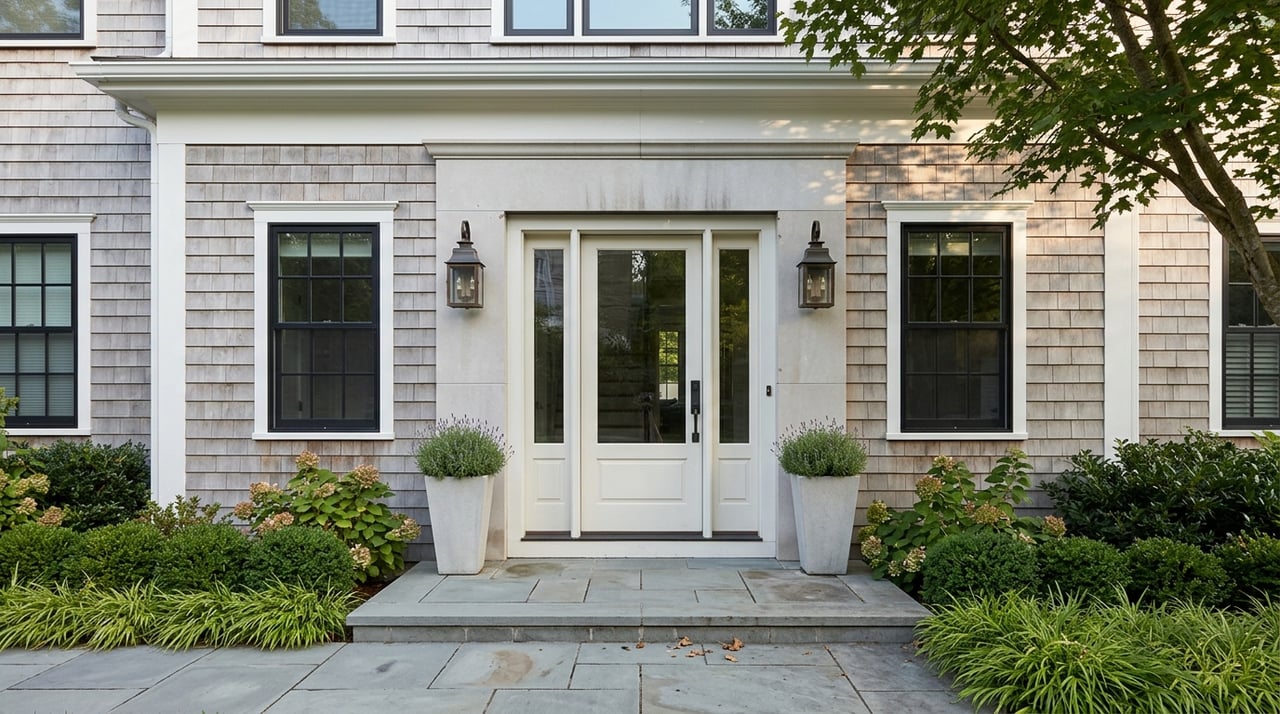
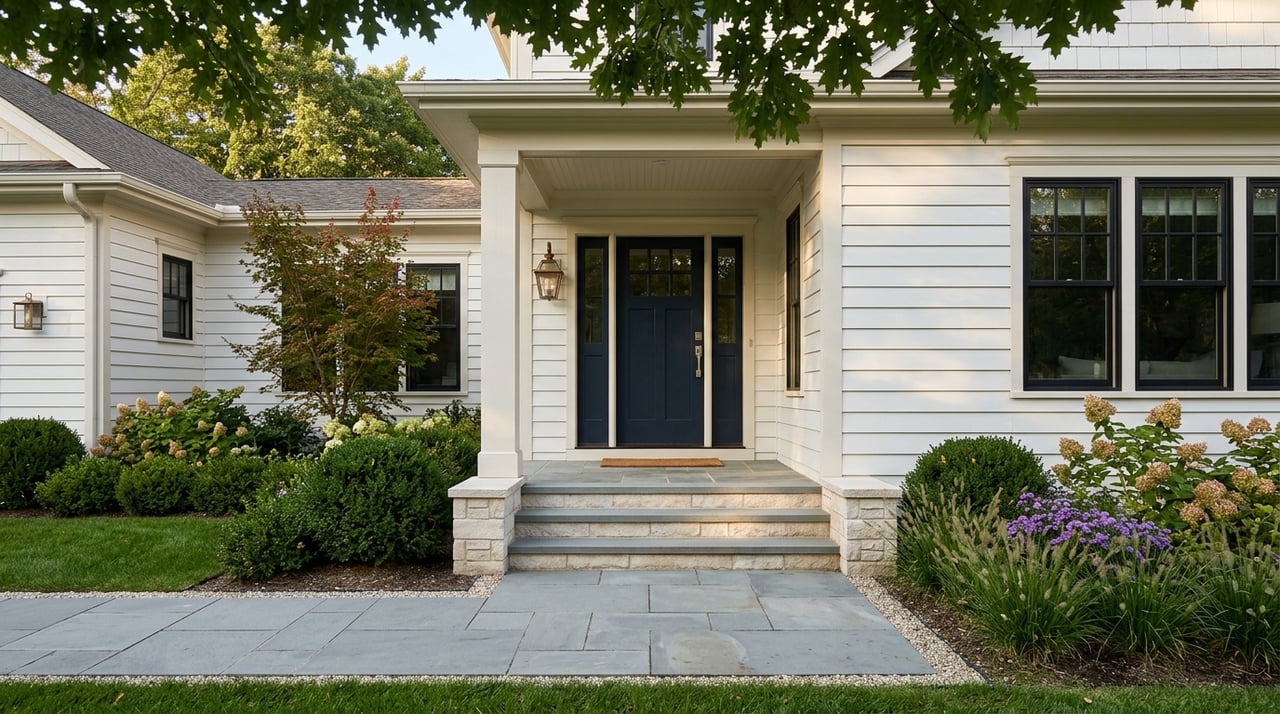
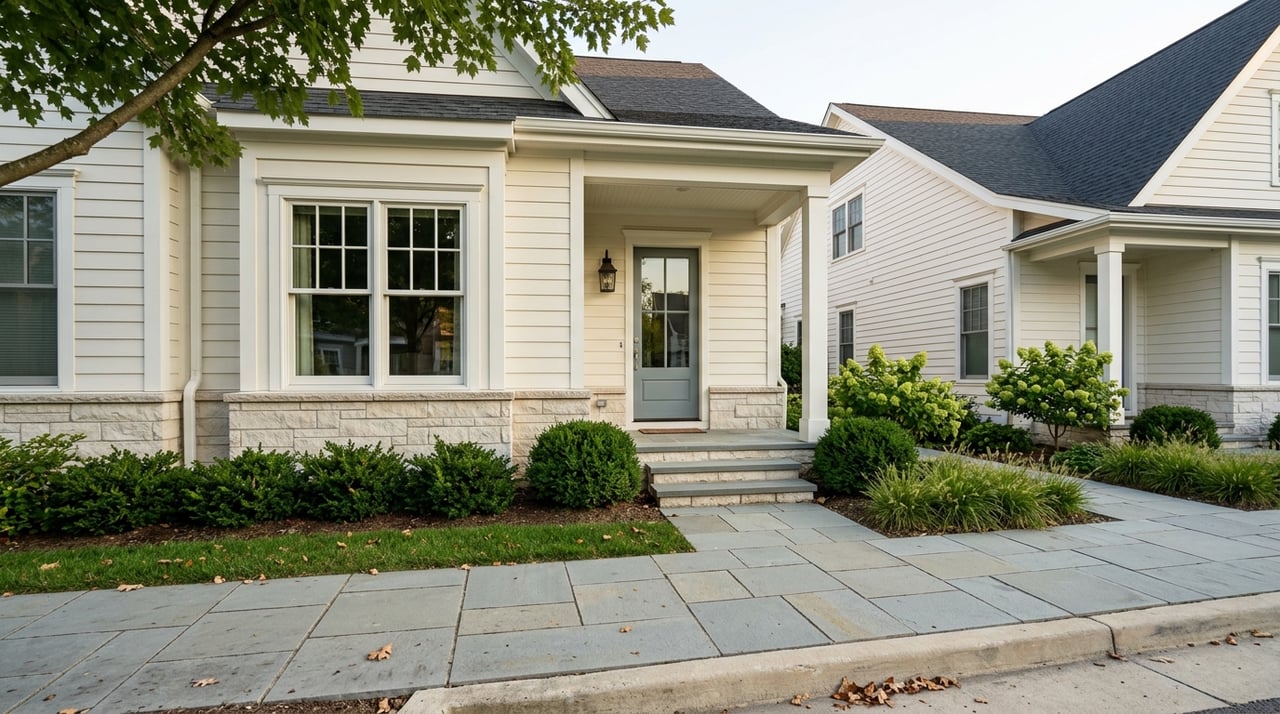
A townhome often sits between a condo and a detached house in both lifestyle and responsibility. You may have your own entrance, multiple levels, and a more traditional residential layout, but you are still likely part of a common-interest community with rules, dues, and shared obligations.
Compared with a condo, a townhome may offer a little more separation from neighbors and a layout that feels more house-like. Compared with a single-family home, it often comes with more community management, which can include landscaping and other shared property responsibilities.
That balance is a big reason townhomes appeal to first-time buyers, downsizers, and move-up buyers alike. In Stamford, where housing affordability can be a challenge, that middle-ground option can be especially valuable.
Stamford Affordability Matters
Stamford’s affordability picture is important to keep in mind as you shop. The city’s Housing Affordability Plan reported that, using 2019 data, about 15% of homeownership units were affordable to households earning up to 80% of area median income, and only 2.4% were affordable to households earning $50,000 or less.
That does not mean a townhome is automatically affordable, but it does mean you should go in with a clear budget and a full picture of monthly costs. In a market like Stamford, the purchase price is only one part of the equation.
Understand The HOA Before You Buy
This is one of the most important parts of buying a townhome in Stamford. Many townhome communities in Connecticut are structured as common-interest communities, so the association documents matter just as much as the listing photos and floor plan.
Under Connecticut law, the seller must provide key documents that can include the declaration, bylaws, rules, regulations, and a resale certificate. The association must provide the resale certificate within 10 business days after a proper request.
What The Resale Certificate Tells You
The resale certificate is one of your best due-diligence tools. Connecticut law requires it to disclose major items that can directly affect your finances and your day-to-day experience in the community.
These disclosures can include:
- Periodic common expense assessments
- Unpaid common or special assessments
- Other fees
- Approved capital expenditures
- Reserve funding
- The operating budget
- Pending lawsuits or administrative proceedings
- Insurance coverage
- Restrictions on sale or leasing
- Delinquency counts
- Foreclosure actions
- Established maintenance standards
If you only remember one thing, remember this: HOA details are not minor fine print. They are central to whether a townhome is the right fit for you.
Look Beyond The Mortgage Payment
Many buyers focus first on principal, interest, taxes, and insurance. That is important, but with a townhome, you also need to account for HOA dues and the possibility of special assessments.
HOA dues are generally paid separately from the mortgage payment. They can range widely, and the monthly number alone does not tell the full story unless you also know what the fee covers and whether major repairs or projects are already planned.
A lower monthly HOA fee is not always better if reserves are thin or if the community may need a special assessment later. A higher fee may be easier to understand if it covers more services and supports a healthier reserve position.
Insurance Questions To Ask
Insurance is another area where townhome buyers need clarity. Under Connecticut law, associations are required to maintain property insurance on common elements, liability insurance, and flood insurance when applicable in a flood hazard area.
That does not mean the association’s policy covers everything inside your unit. You still need to understand what the master policy covers and what type of individual unit coverage you may need.
Ask for clear details early so there are no surprises during underwriting or after closing. This is especially important if the community has shared structures or if the property is in an area where flood coverage could matter.
New Or Converted Townhomes Need Extra Review
If the townhome community is newly built or converted from another building type, your review should go a step further. Connecticut law requires additional disclosures in certain conversion situations, including the condition of structural, mechanical, and electrical systems, the expected remaining useful life of major components, and any outstanding municipal code violations.
That information can help you understand whether the property is truly move-in ready or whether future repairs may be closer than they appear. Newer does not always mean simpler, and converted properties can come with unique questions.
A Home Inspection Still Matters
Even with association documents in hand, you should not skip the inspection mindset. A standard home inspection can help you evaluate structural and mechanical systems such as HVAC, ventilation, and electrical components.
This matters because a townhome purchase still includes your living space, your systems, and your future maintenance costs. Association management may cover some exterior or shared elements, but it does not replace your need to understand the property itself.
Commute And Daily Routine Count
For many Stamford buyers, commute and lifestyle are a big part of the appeal. Stamford Transportation Center serves Metro-North, Amtrak, and CTtransit, and the city says the station handles more than 8.5 million riders a year, making it Metro-North’s second-busiest station after Grand Central.
The city also has 15 CTtransit local routes, the I-Bus express between downtown Stamford and White Plains, the Harbor Point trolley, and the Route 351 Downtown Loop for weekday peak connections between the station and the central business district. If you want a car-light routine, access to this network can make a real difference.
That is why townhome location is about more than the unit itself. A property that works well on paper may feel much less convenient if parking, transit access, or your daily travel pattern is awkward.
A Smart Stamford Townhome Checklist
Before you make an offer, try to answer these questions clearly:
- How is parking assigned or regulated in the community?
- What does the HOA fee cover?
- Have there been any recent special assessments?
- Are any major repairs or capital projects already planned?
- How strong are the reserves?
- What does the operating budget show?
- Are there pending lawsuits or foreclosure actions in the community?
- Are there leasing or pet restrictions?
- What insurance does the association carry?
- Is flood insurance required for the community?
- If the property is new or converted, have you reviewed the public offering statement and related disclosures?
These questions can help you compare communities more accurately. They also help you avoid treating all townhomes as if they function the same way, because they do not.
The Bottom Line For Buyers
The best townhome in Stamford is not always the one with the nicest kitchen or the lowest list price. It is the one that fits your budget, your routine, and your comfort level with association rules and shared costs.
In Stamford, that usually comes down to three things: what the association controls, where the property sits in the city’s housing pattern, and how well the location supports your day-to-day life. When you evaluate all three together, you are much more likely to make a confident decision.
If you’re comparing townhomes in Stamford or anywhere in Fairfield County, The Zerella | Christy Team Of William Ravies Real Estate can help you look beyond the listing and understand how the numbers, documents, and location fit together.
FAQs
What should you review before buying a townhome in Stamford, CT?
- You should review the HOA documents, resale certificate, monthly dues, special assessments, reserves, operating budget, insurance details, parking rules, and any restrictions on leasing or pets.
How are Stamford townhomes different from condos?
- Stamford townhomes often feel more house-like, with private entrances and multi-level layouts, but many are still part of a common-interest community with shared rules, dues, and maintenance obligations.
Are HOA fees included in a Stamford townhome mortgage payment?
- HOA fees are generally paid separately from your mortgage payment, so you should budget for them in addition to principal, interest, taxes, insurance, utilities, and maintenance.
Why does location matter when buying a townhome in Stamford?
- Location affects your access to transit, parking, daily convenience, and the overall housing pattern around the property, which can shape both lifestyle and long-term fit.
What extra questions should you ask about a new or converted Stamford townhome?
- You should ask for the public offering statement and any required disclosures about structural, mechanical, and electrical conditions, remaining useful life of major systems, and any outstanding municipal code violations.