Thinking about listing your Westport luxury home? In a market where price points are high and buyers often form opinions before they ever step through the door, preparation can shape both your timeline and your final result. If you want to attract serious interest, reduce avoidable surprises, and present your home with confidence, a smart pre-listing plan matters. Let’s dive in.
Why prep matters in Westport
Westport remains a premium market, but the headline number you see depends on the source and what it measures. Zillow’s modeled home value for Westport was $2,056,664 through May 31, 2026, Redfin reported a median closed-sale price of $2,223,669 over the three months ending May 2026, and Realtor.com reported a $3.4 million median listing price in May 2026.
Those figures are useful, but they are not interchangeable. Some reflect modeled values, some reflect closed sales, and some reflect active listings. For you as a seller, the real takeaway is simple: your home should be prepared and priced against very recent local comparables and your specific segment of the Westport market.
In the luxury tier, buyers usually expect strong presentation, clear maintenance history, and a home that feels easy to understand. When your property is well prepared, buyers can focus on the features and lifestyle it offers instead of wondering what may need attention.
Start with a pre-listing review
Before you paint, stage, or book photography, start with a full review of the property itself. This step helps you spot visible issues, gather records, and decide where your time and money will have the biggest impact.
A strong pre-listing review is also about reducing uncertainty. In a high-value transaction, buyers tend to look closely at condition, history, and documentation. The cleaner your file and the more organized your prep, the smoother the process can feel.
Gather key property documents
Connecticut requires sellers of residential real property with one to four dwelling units, including condominiums and cooperatives, to provide a Residential Property Condition Report before the buyer signs a binder, contract, option, or lease with a purchase option. Effective July 1, 2025, the state also requires a Residential Foundation Condition Report. If the required condition report is not furnished, the statute can trigger a $500 closing credit.
These forms are not warranties, and they do not replace inspections. Still, they ask about many issues buyers care about, including foundation or slab problems, basement seepage, roof leaks, siding concerns, chimney or fireplace issues, deck or patio problems, drainage issues, pest infestation, rot, radon, floodplain status, flood insurance, flood claims, and prior water penetration from flood events.
Before listing, it helps to assemble a clear document packet that may include:
- Prior repair invoices
- Contractor information
- Transferable warranties
- Flood-related documentation, if relevant
- Water and sewer records, or well and septic records
- Underground storage tank removal records, if applicable
- Permit records and certificates of occupancy
This kind of preparation sends an important message. It shows that your home has been cared for and that you are ready to answer reasonable buyer questions quickly.
Check permits and closed-out work
If you completed renovations or system upgrades over the years, now is the time to verify the paper trail. The Westport Building Department reviews construction plans for compliance with the Connecticut State Building Code, issues permits, and monitors construction.
That makes permit review especially important if your home has had additions, kitchen or bath remodels, mechanical upgrades, electrical work, plumbing work, alarm systems, sprinklers, or similar code-regulated improvements. Ideally, any work that required permits should be properly permitted and closed out before photos and showings begin.
Westport also offers permit tools and archives that can help verify open work, locate older certificates of occupancy, and retrieve records such as oil tank or spill records by address. For sellers of older or extensively updated homes, this step can be especially valuable.
Review lead disclosure if applicable
If your home was built before 1978, lead-based paint disclosure rules apply before the buyer is obligated under contract. Sellers must provide the required pamphlet, disclose known lead-based paint or hazards, share available records or reports, and allow the purchaser a 10-day lead inspection period unless it is waived.
This is another reason to begin your prep early. When required disclosures are ready in advance, you can move forward with fewer last-minute complications.
Focus your update budget wisely
Preparing a luxury home for market does not mean undertaking a major renovation right before listing. In many cases, the most effective strategy is selective improvement rather than expansive work.
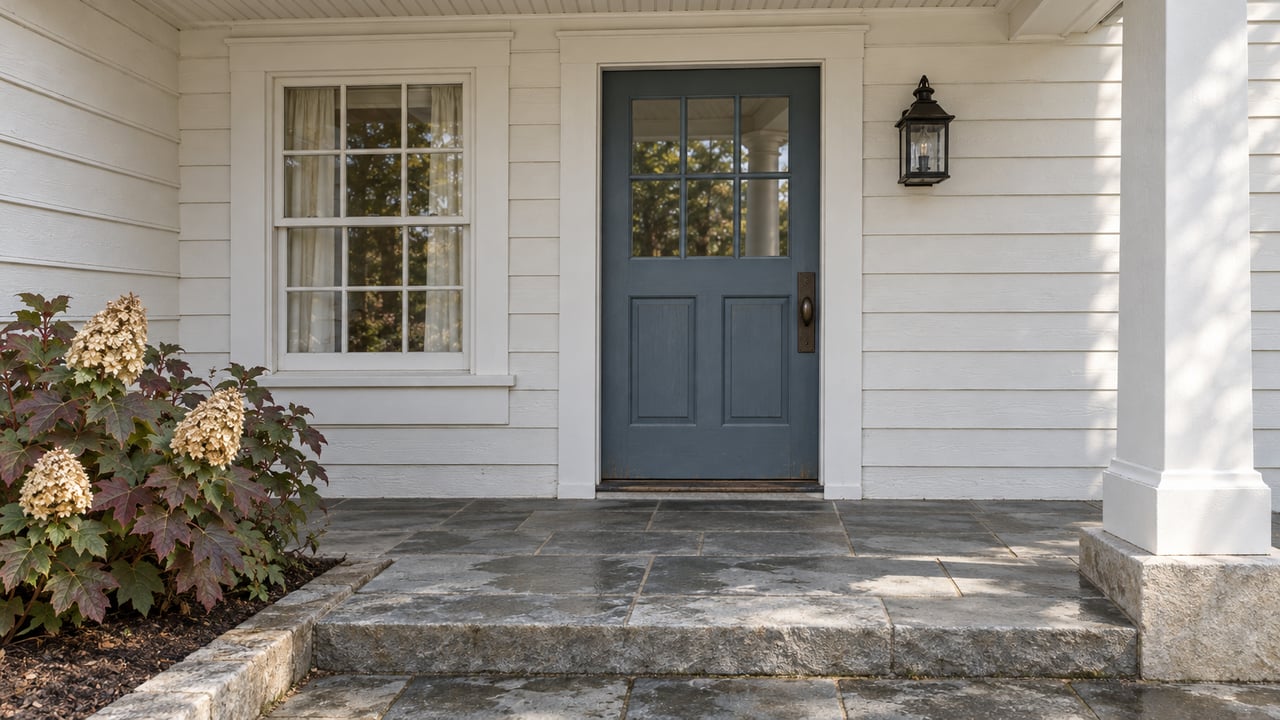
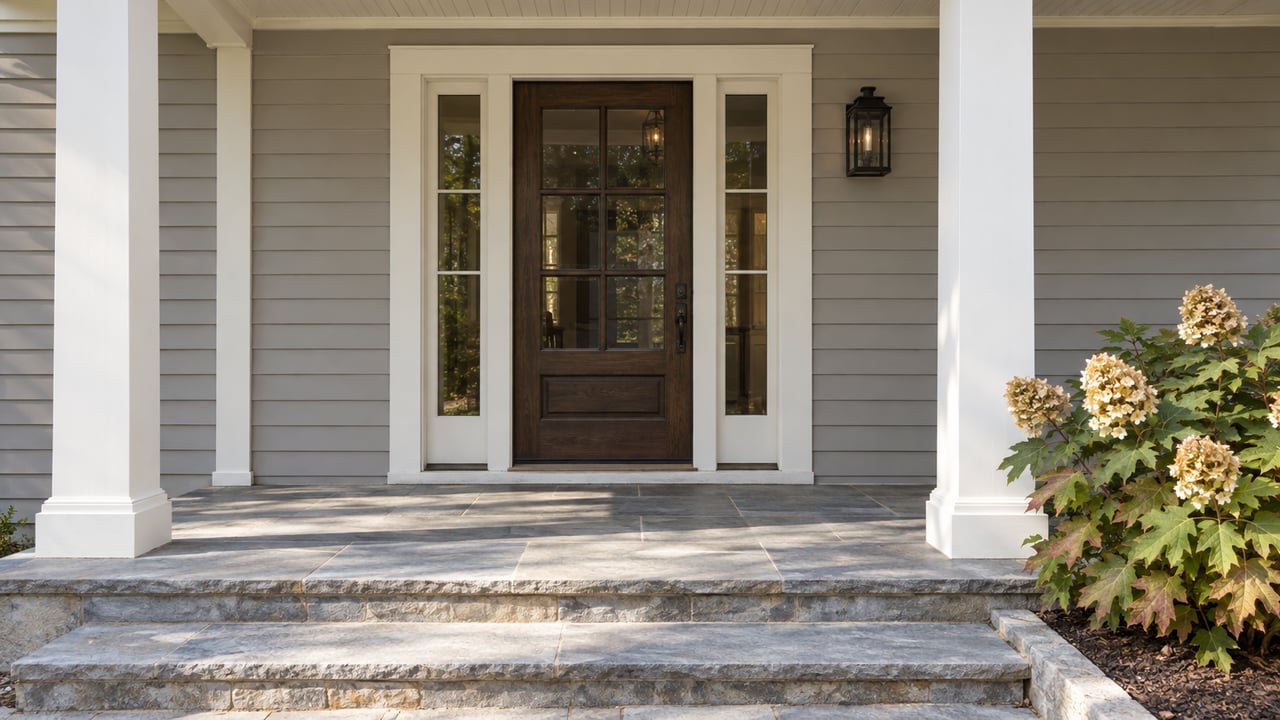
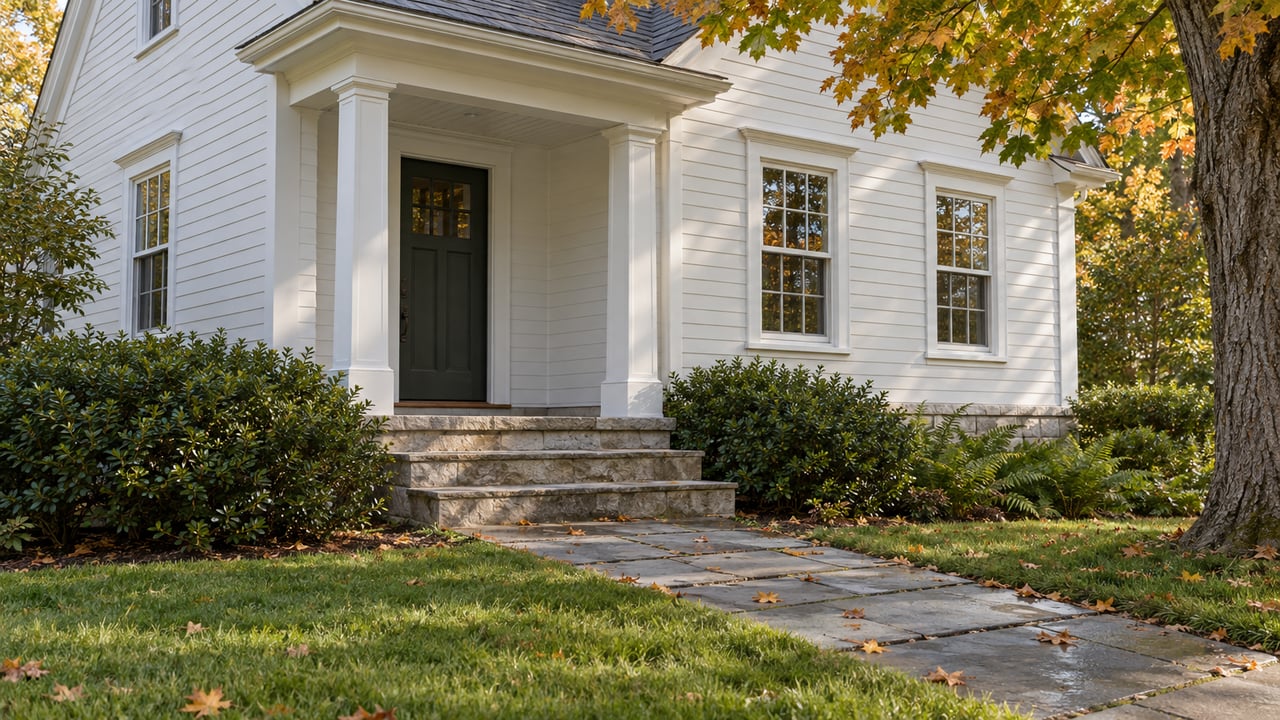
That usually means addressing visible defects, refreshing paint and finishes where needed, modernizing worn lighting or hardware, and sharpening curb appeal. These changes can improve first impressions without creating unnecessary delay.
Prioritize what buyers notice first
Luxury buyers often notice quality, condition, and consistency right away. Scuffed walls, dated fixtures, tired landscaping, or deferred maintenance can distract from stronger features like layout, natural light, millwork, or outdoor living areas.
Start with the areas that are easiest to judge at a glance. A fresh, cohesive look can help your home feel current and well maintained, even if you are not changing everything.
Highlight documented green improvements
If your property includes energy-efficient upgrades, durable materials, or other sustainability-focused improvements, those may be worth highlighting. Westport emphasizes sustainable materials and deconstruction, and the town recognizes projects that contribute to its future as a Net Zero Community.
The key is documentation. If green improvements were properly permitted and completed, they can become part of your marketing story and help buyers better understand the long-term value of the home.
Stage for how buyers actually shop
Staging is not just about making a home look attractive. It helps buyers visualize how the home lives, how spaces connect, and how they might use the property day to day.
According to the 2025 staging survey from the National Association of Realtors, 83% of buyers’ agents said staging makes it easier for buyers to visualize a property as a future home. The same survey found that 17% of buyers’ agents said staging increased the dollar value offered by 1% to 5% compared with similar unstaged homes, while 30% of sellers’ agents reported slight decreases in time on market when the home was staged.
For Westport luxury sellers, that matters. Presentation can influence not just whether buyers like the home, but how confidently they respond to it.
Stage the rooms with the most influence
The same survey found that the most important rooms to stage were:
- Living room: 37%
- Primary bedroom: 34%
- Kitchen: 23%
For a luxury listing, those results point to a practical priority list. Focus first on the main entertaining spaces, the primary suite, and the kitchen. If those areas feel polished, bright, and well scaled, the rest of the home tends to benefit.
That does not mean other spaces should be ignored. It means your strongest effort should go toward the rooms most likely to shape emotional connection and overall perception.
Treat outdoor spaces as part of the home
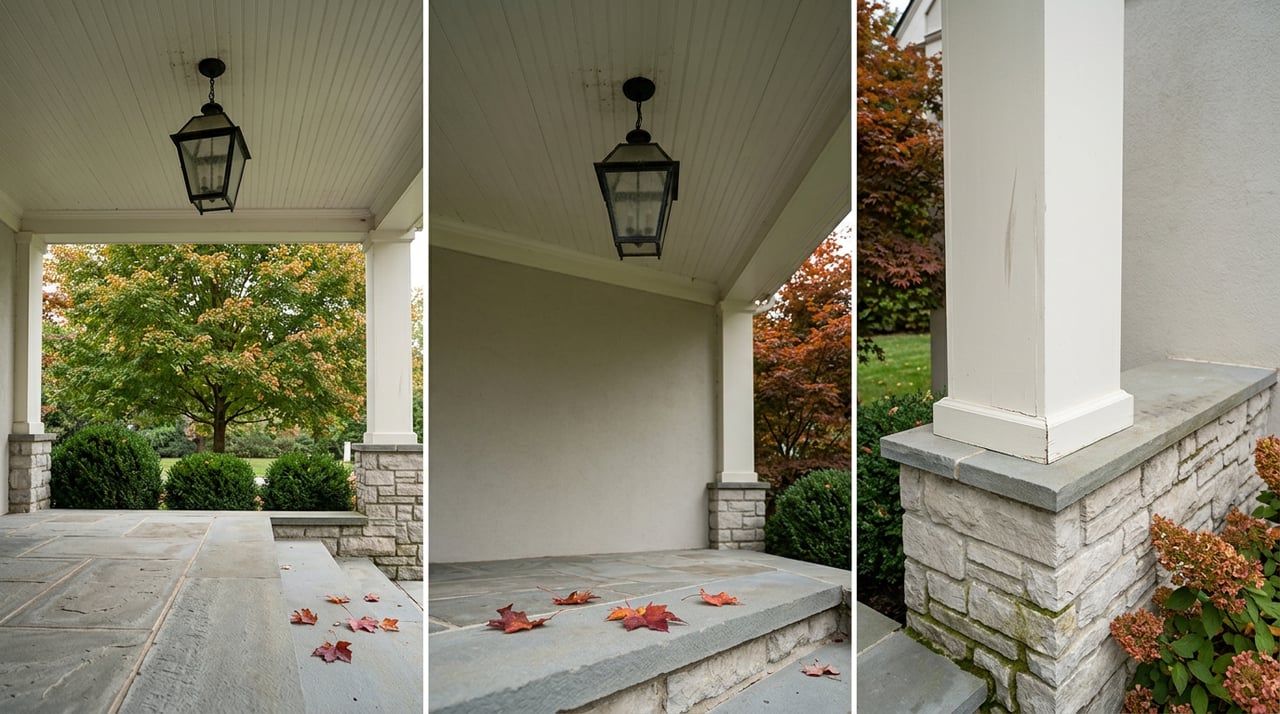
In Westport, outdoor amenities are often a meaningful part of the value story. Patios, pools, lawns, porches, and outdoor dining areas should feel intentional, clean, and ready to use.
Rather than treating exterior areas as a final detail, prepare them as part of the full showing experience. In the luxury market, buyers often evaluate the property as a complete lifestyle package, not just an interior floor plan.
Think of media as one package
Your listing photos are often the first showing. That is why staging, photography, video, and tours should work together instead of being handled as separate tasks.
NAR’s 2025 survey found that photos were much more or more important to clients according to 73% of respondents. Traditional physical staging came in at 57%, videos at 48%, and virtual tours at 43%.
Prepare for both online and in-person impressions
Many buyers arrive with opinions already forming from what they saw online. The same survey found that among buyers who had an expectation, they expected a median of eight in-person homes and 20 virtual homes.
That means your online presentation needs to compete before the showing even happens. Strong visuals, a clean layout, and a calm, neutral presentation can help your property stand out in a crowded digital search.
The survey also found a median of 23% of respondents said buyers brought non-purchasing family members to view homes. That is another reason to aim for broad visual appeal and a polished in-person environment.
Build a smart listing timeline
One of the biggest mistakes sellers make is handling prep out of order. A smoother luxury listing usually comes from the right sequence, not from rushing every task at once.
A practical timeline often looks like this:
- Evaluate the property and gather records
- Review disclosures and permit history
- Complete needed repairs and touch-ups
- Deep clean the home
- Stage key spaces
- Photograph and capture video or virtual media
- Keep the property show-ready once it goes live
This sequence helps you avoid wasted effort. For example, there is little value in scheduling photography before repairs are complete or before the home is staged properly.
Aim for clarity, not perfection
The goal is not to make your home feel artificial or overworked. The goal is to reduce buyer uncertainty, document improvements, and present the property as curated, current, and easy to buy.
That is where hands-on coordination can make a real difference. When your preparation is organized and your presentation is intentional, buyers can focus on what makes your Westport home special.
If you are getting ready to sell and want a clear plan for pricing, prep, staging, and launch, The Zerella | Christy Team Of William Ravies Real Estate can help you build a smart strategy from day one.
FAQs
What should you do first when preparing a Westport luxury home for sale?
- Start with a full pre-listing review of the home, including condition, repair history, permits, and required Connecticut disclosures.
What disclosures are required when selling a home in Connecticut?
- For residential property with one to four dwelling units, Connecticut requires a Residential Property Condition Report before the buyer signs certain agreements, and effective July 1, 2025, a Residential Foundation Condition Report is also required.
Why do permit records matter for a Westport home sale?
- Permit records can help confirm that past renovations or system upgrades were properly approved and closed out, which may reduce buyer questions and surprises.
Which rooms matter most when staging a luxury home?
- Based on the 2025 NAR staging survey, the living room, primary bedroom, and kitchen were the top rooms buyers’ agents considered most important to stage.
How important are photos and video for a Westport listing?
- They are very important, since NAR’s 2025 survey found that photos, staging, videos, and virtual tours all played a major role in how clients evaluated homes.
Should you renovate before listing a Westport luxury home?
- Not always. In many cases, selective improvements such as fixing visible defects, refreshing finishes, updating worn hardware, and improving curb appeal are a more effective use of prep dollars.