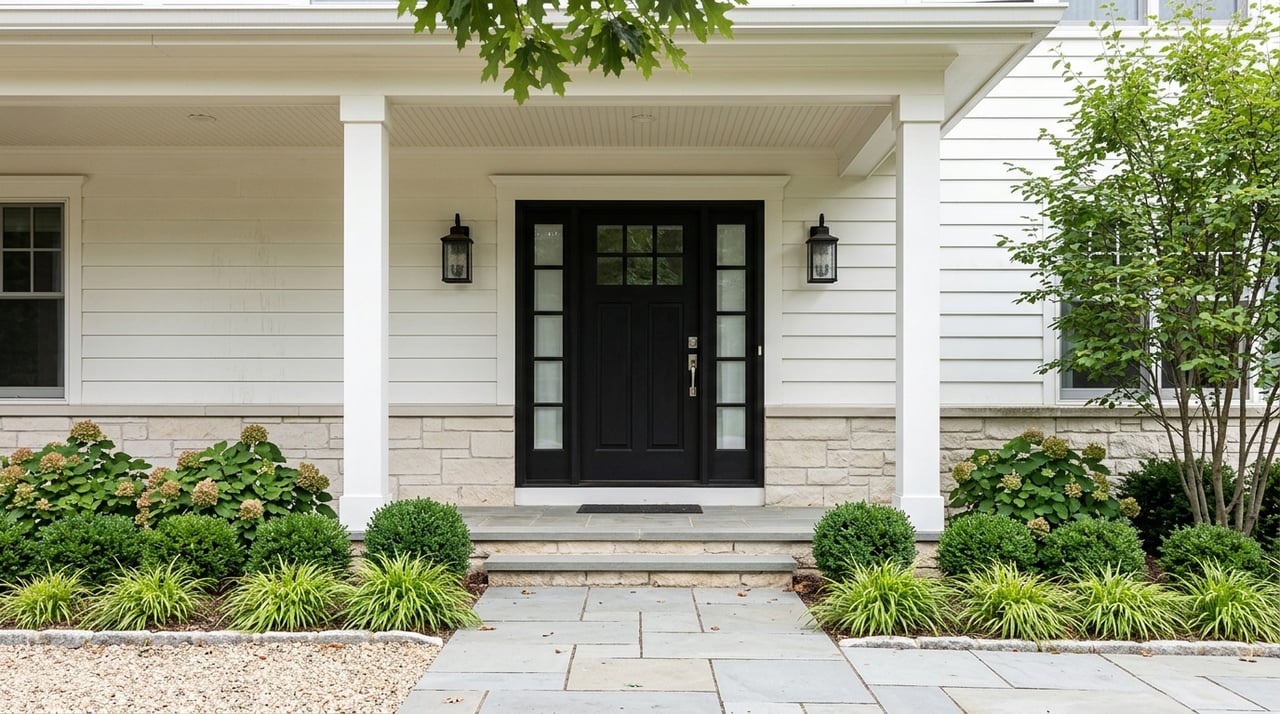
Looking for more space, more privacy, and a slower pace without leaving Fairfield County behind? Easton, CT stands out for exactly that reason. If you are drawn to large lots, scenic roads, working farms, and a day-to-day rhythm that feels quieter than a typical suburb, Easton offers a lifestyle that is hard to replicate nearby. Let’s dive in.
Why Easton Feels Different
Easton is shaped by conservation, not dense development. The town says more than one-third of its land is forever preserved, it has more than twenty working farms, and four reservoirs lie all or partly within its boundaries. That framework helps explain why Easton feels open, green, and intentionally low density.
The town’s planning approach supports that character. According to the Planning and Zoning Commission, Easton’s conservation plan is designed to protect watershed areas and maintain the town’s low-density residential pattern. For you as a buyer, that often translates into a setting where quiet roads, natural surroundings, and separation between homes are part of everyday life.
Easton Homes: What You Can Expect
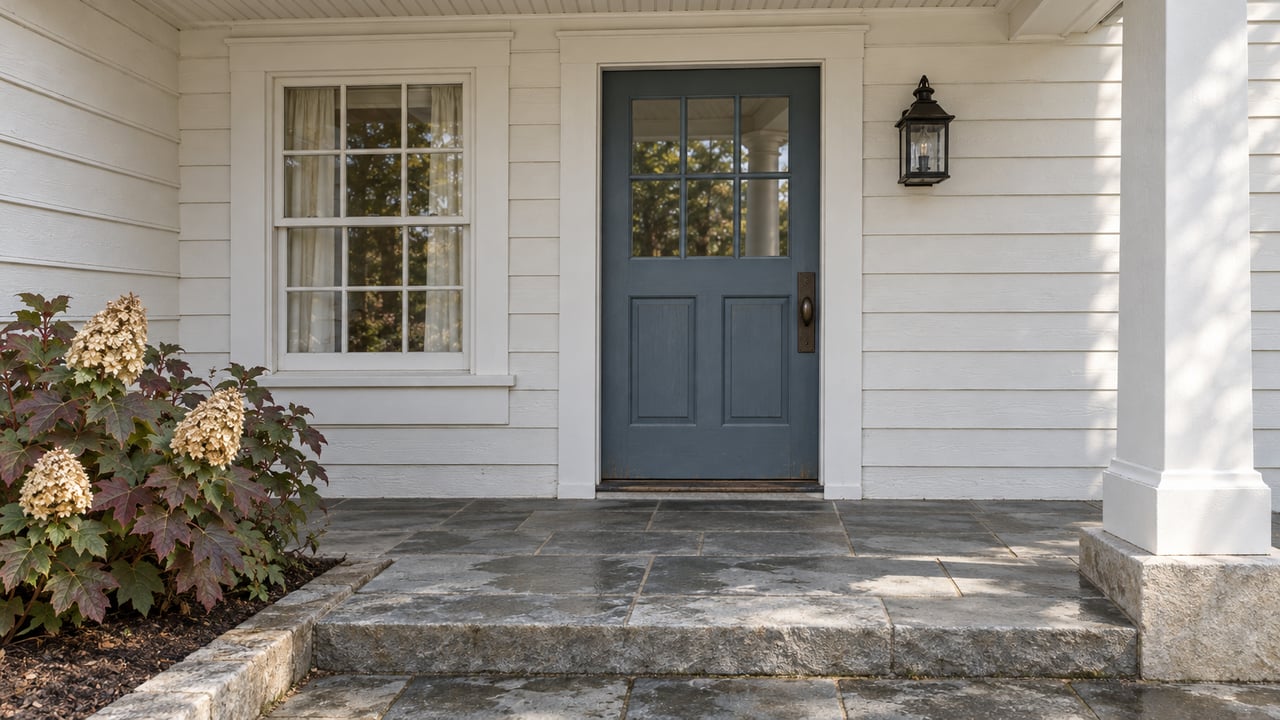
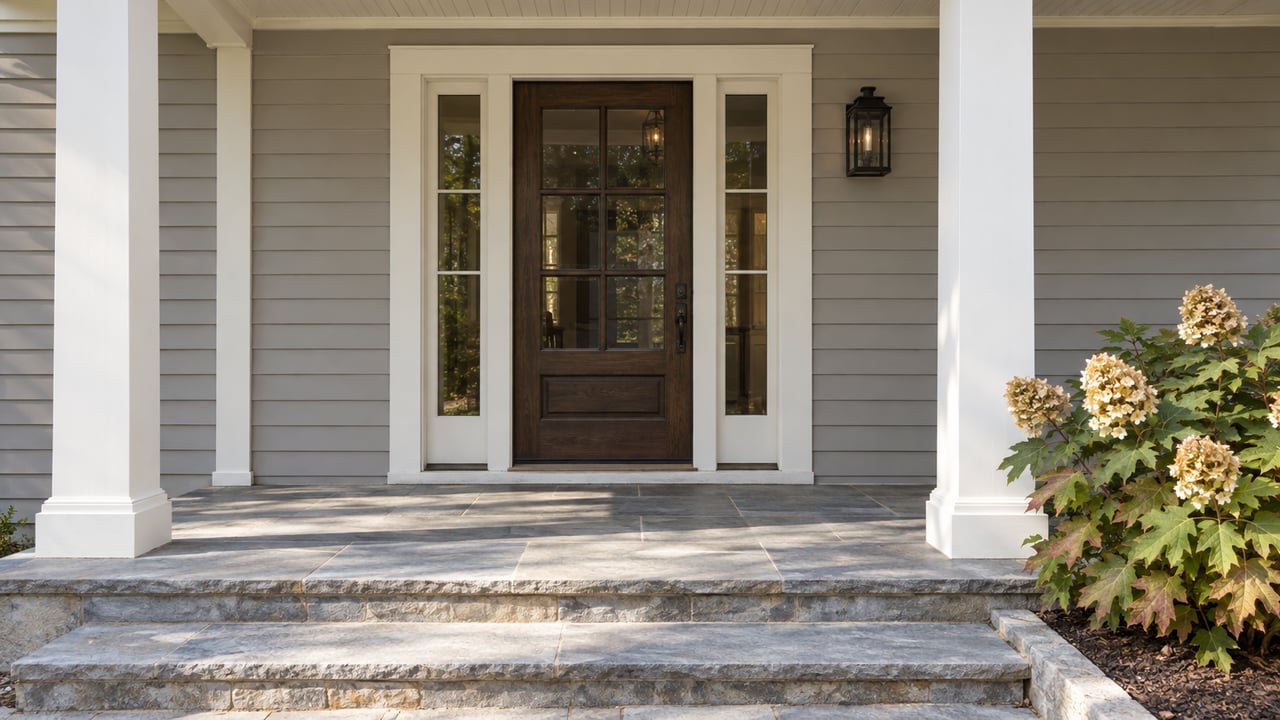
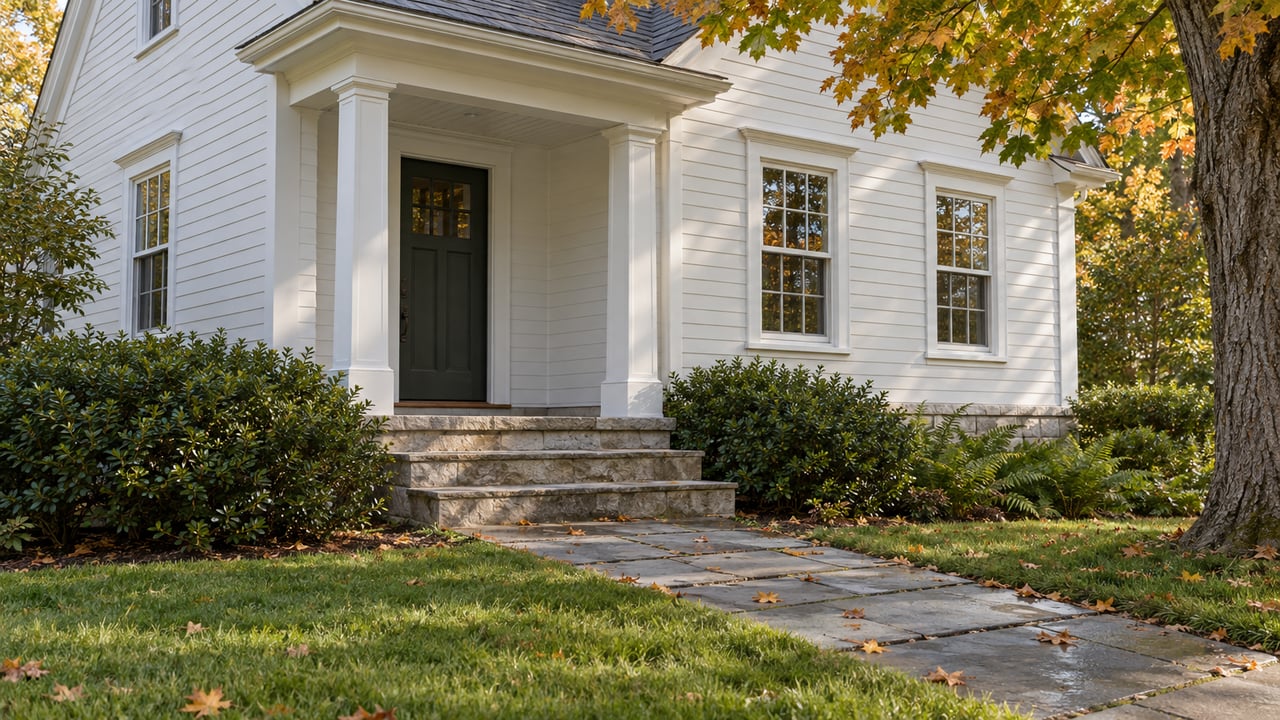
If you picture Easton as a town of detached homes on sizable lots, that picture is mostly accurate. Zoning regulations identify single-family dwellings as the principal residential use in Easton’s residence districts, with one dwelling per lot. The result is a housing pattern that feels spread out and privacy-oriented rather than compact.
Minimum lot sizes reinforce that feel. Residence A requires at least 40,000 square feet, while Residence B requires 3.0 acres. Both districts generally require 200 feet of frontage, 50-foot front-yard setbacks, 40-foot side and rear setbacks, and a 35-foot maximum building height.
In practical terms, many homes in Easton sit well back from the road and have more breathing room around them. That can appeal to buyers who want outdoor space, a quieter setting, or a property that feels more secluded. It also means Easton usually does not deliver the tighter neighborhood layout you may find in more built-up Fairfield County towns.
Is Easton Only Single-Family Housing?
Easton reads overwhelmingly as a single-family community, but there is some variation. The town’s Affordable Housing Plan cites ACS data describing all housing units as single-family detached dwellings, while town records also show some accessory dwelling units, caretaker cottages, and a small number of two-family, three-family, or other multi-unit properties.
That nuance matters if you are trying to understand the local inventory. Most buyers exploring Easton will be focused on detached homes, but it is still helpful to know that the housing stock is not completely uniform.
The Lifestyle: Quiet, Outdoor, and Grounded
Easton’s appeal goes beyond the homes themselves. Much of the draw is how the town feels once you live there. Agriculture, open space, and low-intensity outdoor recreation are central parts of daily life here.
The town’s Agricultural Commission supports and promotes local agriculture, and Easton is known for its Christmas Tree Capital of Connecticut program. The 2025 Farm Tour Map highlights public-facing stops such as Silverman’s Farm, Sherwood Farm, Greiser’s Coffee & Market, and Shaggy Coos Farm. For residents, that farm presence adds a distinctly local rhythm to the town.
You are not just buying a house in Easton. In many cases, you are choosing a setting where roadside farm stands, seasonal traditions, and protected land are part of the experience of living there.
Trails and Open Space in Easton
If outdoor access matters to you, Easton offers a strong match for a low-key, nature-focused lifestyle. The town says local open-space areas are used for hiking, cross-country skiing, dog walking, fishing, riding, and snowshoeing. These are everyday recreation options that fit naturally with Easton’s rural setting.
Aspetuck Land Trust also maintains year-round trailed preserves in Easton and nearby towns, including the 1,009-acre Trout Brook Valley Preserve. That gives residents access to significant natural areas without needing to travel far for a walk, hike, or quiet afternoon outside.
Parks and Community Spaces
Easton’s parks add practical recreation options alongside its preserved land. The town lists Aspetuck Park, Dog Park, Helen Keller Campus, Old Staples, Morehouse Fields, and Veterans Park among its parks and fields. Amenities include fields, playgrounds, a walking track, tennis and basketball courts, picnic areas, and fishing access.
Community life also runs through local institutions. The Easton Public Library offers books, programs, art exhibitions, and meeting space for community organizations. The Easton Senior Citizens Center describes itself as an intellectual, educational, cultural, and social center with classes and services for adults of all ages, especially retirees, seniors, and physically challenged adults.
Everyday Convenience in a Rural Town
One of the most important things to understand about Easton is the tradeoff that comes with its quiet setting. The same land-use pattern that creates privacy and open space also means fewer in-town commercial areas. CTDOT notes that Easton is a relatively small town with limited businesses and commercial areas.
That matters because daily errands are typically car-based. Route 59, also known as Sport Hill Road, serves local and regional truck traffic, residential and business access, employment commuting, farm access, and access to the Merritt Parkway and points south. Center Road connects Route 59 to Easton’s municipal center.
For many residents, that means shopping, dining, and parts of the work commute may extend beyond Easton itself. Census Bureau QuickFacts lists the town’s mean commute time at 32.9 minutes, which adds useful context if you are weighing Easton’s peaceful setting against your daily drive.
Who Easton Often Appeals To
Easton tends to resonate with buyers who know exactly what they want from a home environment. If your priority is a walkable downtown filled with shops and frequent commercial activity, Easton may feel too quiet. If your priority is space, privacy, and a more rural atmosphere within Fairfield County, Easton can be a compelling option.
You may especially appreciate Easton if you are looking for:
- A detached home on a larger lot
- More separation between neighboring homes
- Access to trails, farms, and preserved land
- A quieter setting with a lower-density feel
- A residential environment centered more on home and outdoor space than on in-town retail
Easton Home Values and Ownership Trends
Easton sits on the higher-priced, owner-heavy side of the market. Census Bureau QuickFacts reports an owner-occupied housing rate of 88.1%, a median value of owner-occupied homes of $783,100, and a median household income of $222,604. Those numbers reflect a market where ownership is dominant and where home values are significant.
Ongoing ownership costs are also worth understanding early in your search. QuickFacts shows median monthly owner costs of $4,000 or more with a mortgage and $1,500 or more without a mortgage. If you are planning a move to Easton, those figures can help frame budget conversations beyond the purchase price alone.
What to Consider Before You Buy in Easton
Easton can be a great fit, but it works best when your expectations match the town’s character. Before you buy, think through how you want your daily life to function, not just what you want in a house.
A few smart questions to ask yourself include:
- Do you want land and privacy more than walkability?
- Are you comfortable with a more car-dependent routine?
- Would access to farms, trails, and open space improve your day-to-day lifestyle?
- Are you specifically looking for a single-family home setting?
- Does a lower-density town feel like a benefit to you?
The answers can quickly tell you whether Easton aligns with your long-term goals. In many ways, Easton is less about convenience at your doorstep and more about the quality of the setting around your home.
Why Local Guidance Matters in Easton
Because Easton has a distinct housing pattern, buyers benefit from a clear understanding of lot sizes, zoning context, property setting, and how lifestyle tradeoffs play out from one home to the next. Two homes may both be in Easton, but their road access, lot configuration, outdoor usability, and proximity to parks, farms, or commuting routes can shape the experience very differently.
That is where local guidance can make your search more focused. When you understand how Easton’s rural structure connects to home inventory and everyday living, you can make a decision based on fit, not just appearances.
If you are thinking about buying or selling in Easton or anywhere else in Fairfield County, The Zerella | Christy Team Of William Ravies Real Estate can help you evaluate the market with a local, practical perspective and a hands-on approach.
FAQs
What is the typical housing style in Easton, CT?
- Easton is overwhelmingly made up of single-family detached homes, and local zoning supports a low-density pattern with one dwelling per lot in residence districts.
What are lot sizes like for homes in Easton, CT?
- Easton zoning includes minimum lot sizes of 40,000 square feet in Residence A and 3.0 acres in Residence B, which helps create a more spread-out residential setting.
What is daily life like in Easton, CT?
- Daily life in Easton centers on quiet residential living, working farms, open space, trails, parks, and community institutions like the library and senior center.
Is Easton, CT walkable for shopping and errands?
- Easton is generally more car-dependent than walkable because the town has limited businesses and commercial areas, and many errands are handled by driving.
Are there outdoor activities in Easton, CT?
- Yes. Easton offers access to hiking, dog walking, fishing, riding, snowshoeing, cross-country skiing, parks, and trailed preserves including Trout Brook Valley Preserve.
Is Easton, CT a good fit if you want privacy?
- Easton may appeal to buyers seeking privacy because its zoning, larger lots, and low-density residential character often create more space between homes.