Trying to choose between a condo and a house in Stamford? You are not alone. Buyers here balance commute, space, budget and lifestyle. The good news is you can make a clear decision once you compare true monthly costs, day‑to‑day living, and financing details for each option. This guide breaks it all down and gives you a simple checklist to move forward with confidence. Let’s dive in.
Stamford housing at a glance
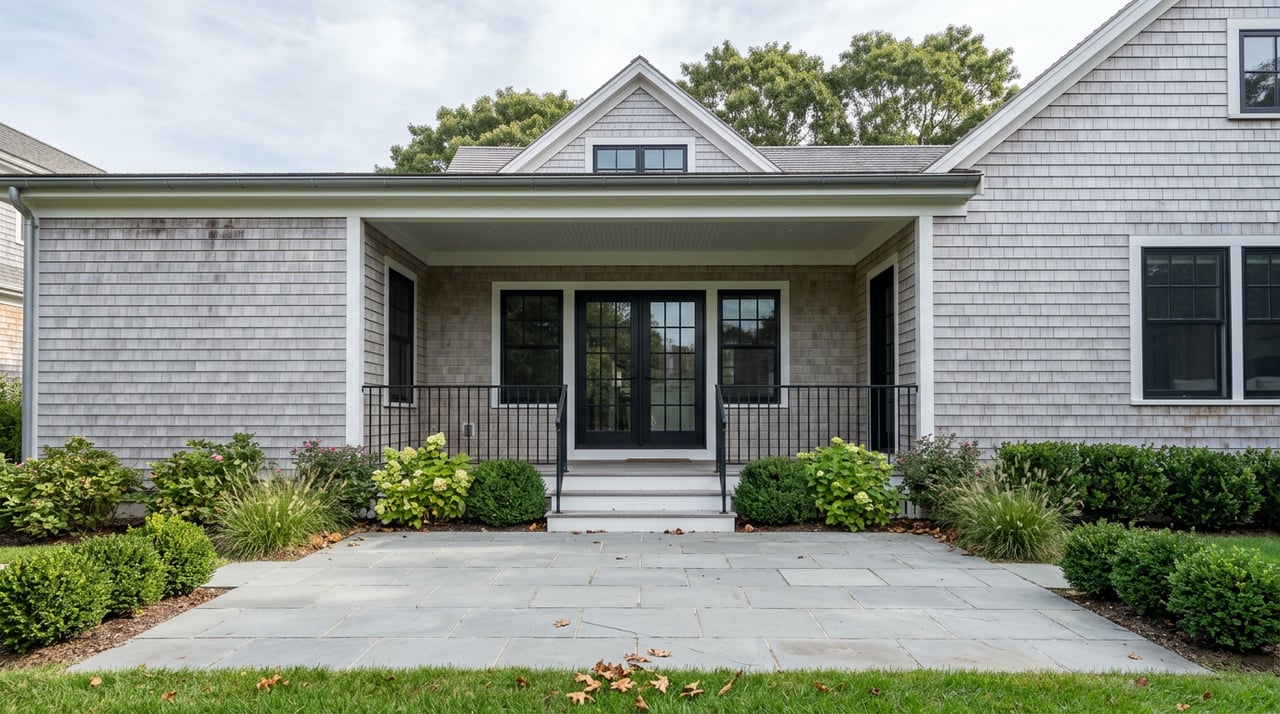
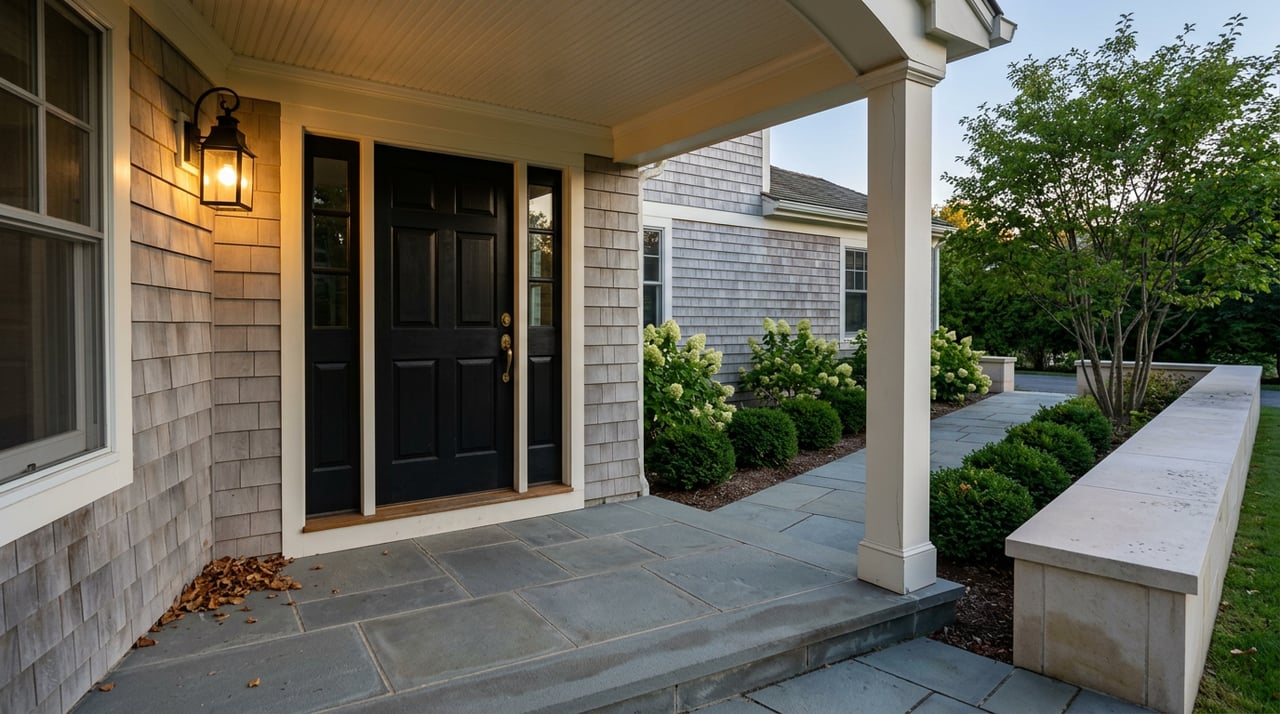
Stamford offers a wide mix of housing types. You will find high‑rise and mid‑rise condos in and around downtown and Harbor Point, plus townhouse communities scattered across the city. Single‑family homes dominate established neighborhoods like North Stamford, Shippan, Westover and Turn of River.
Condos often provide a lower entry price than many single‑family homes, especially near the core. That said, prime buildings with newer amenities or waterfront access can have higher price‑per‑square‑foot. Single‑family homes typically offer more total interior space and land.
Commute and convenience matter here. Proximity to downtown employers, walkable amenities and the Metro‑North rail to Manhattan draws many condo buyers. Those who want a yard, privacy and room to grow often lean toward single‑family neighborhoods.
What ownership really costs each month
When you compare condo vs. house, look beyond the purchase price. Add every recurring cost so you understand your true monthly number.
Monthly ownership formula:
- Mortgage principal and interest
- Property taxes divided by 12
- Homeowner insurance divided by 12
- HOA or association fee (if any)
- Utilities
- Maintenance reserve per month
- Any parking or amenity fees
Purchase price and closing costs
Both condos and houses include similar closing cost categories like title, attorney, recording and lender fees. Condo purchases may also include an association application fee, move‑in fee, transfer fee or a one‑time capital contribution. Ask for a written estimate of all buyer costs up front.
Property taxes in Stamford
Connecticut taxes real estate at the municipal level. In Stamford, your annual bill is based on the property’s assessed value and the city’s mill rate. Single‑family owners are taxed on land and structure. Condo owners are taxed on the unit’s assessed value. To learn how assessments and mill rates work, review the Connecticut Department of Revenue Services overview and call the City of Stamford Assessor for specifics before you make an offer.
- Learn more about state tax rules at the Connecticut Department of Revenue Services: CT DRS property tax and resources
- Contact the city for local assessment questions: City of Stamford
Insurance basics
Single‑family homeowners usually carry an HO‑3 policy that insures the dwelling, other structures, liability and personal property. Condo owners typically carry an HO‑6 policy that covers interior improvements, personal property and liability. The condo association holds a master policy for the exterior and common elements. Confirm whether the master policy is “all‑in” or “bare walls,” the master policy deductible, and what interior items you must insure yourself.
HOA fees and reserves
Condo HOA fees fund building insurance, exterior maintenance, landscaping, snow removal, common utilities and amenities like gyms, pools or a concierge. In some buildings, water or heat is included. Fees vary widely by building size and amenities. Ask for the current budget and reserve study to see whether the association is funding long‑term repairs. Unfunded reserves can lead to special assessments. For an overview of condo buying considerations, see the Consumer Financial Protection Bureau’s guidance: CFPB homeownership resources.
Maintenance and utilities
With a single‑family home, you handle all interior and exterior upkeep. A common rule of thumb is to set aside 1 to 3 percent of the home’s value per year for maintenance, adjusted for the property’s age and condition. In condos, the association handles most exterior and common area items, while you maintain your unit’s systems and finishes. Some utilities may be included in the HOA fee, which can lower your separate monthly utility bills.
Lifestyle tradeoffs to weigh
Amenities and walkability
Stamford condos often offer fitness centers, rooftop decks, concierge services, package rooms, garage parking, shared workspaces and sometimes water access, especially near Harbor Point. Many are within walking distance of dining, shops and the train.
Privacy and outdoor space
Condos share walls and common areas, so expect more nearby activity and limited private outdoor space, usually a balcony. Single‑family homes offer more privacy, a yard and greater control over how you use exterior spaces.
Renovation and customization
Single‑family owners generally have wider latitude to renovate, subject to local permits. Condo owners must follow association rules and architectural guidelines that may limit flooring types, HVAC equipment, visible exterior changes, rentals and pets.
Parking and storage
Condos typically offer assigned or garage parking, sometimes for an extra fee. Single‑family homes usually include a driveway or garage and may provide more flexibility for storing bikes, kayaks or seasonal gear, subject to local zoning and covenants.
Schools and daily routine
Families often favor single‑family homes for yard space and flexible layouts. Others choose condos to simplify life and shorten the commute. For neutral, factual information on local public education, explore Stamford Public Schools and the Connecticut State Department of Education.
Financing and due diligence differences
Condo financing and project approval
Many lenders and the GSEs review the entire condo project, not just your unit. They look at financial health, insurance, owner‑occupancy ratios and litigation. If a project does not meet guidelines, you may face a larger down payment or limited loan options. For details, see Fannie Mae condo and co‑op guidance and Freddie Mac condo requirements. A Stamford‑licensed lender can confirm current standards and your options.
Documents to review before you buy
For condos, request and read the bylaws, declaration, budget, audited financials, reserve study, master insurance certificates, meeting minutes for the last 6 to 12 months, any current assessments, rental and pet policies, and notes on capital projects or litigation. Connecticut law governs condo formation and owner rights. You can review the state statute here: Connecticut Common Interest Ownership Act. For houses, your due diligence usually includes title, a survey, property disclosures, permits and HOA documents if the property is within an association.
Inspections that fit the property type
Condo inspections focus on systems and finishes inside the unit and observable items like windows. You should also check common area conditions through association documents and meeting minutes. Single‑family inspections are broader and include the site, roof, foundation and major systems.
Resale and liquidity
Walkable, transit‑oriented condos often appeal to commuters and downsizers, while single‑family homes attract buyers who want space and a yard. Some condo projects with high investor ratios or weak reserves can be harder to finance and resell. Ask your agent to analyze typical buyers, days on market and financing notes for the specific building or neighborhood you are considering.
Quick decision guide
- You want a low‑maintenance lifestyle near downtown and rail. Consider a condo.
- You want a yard, privacy and more control over your property. Consider a single‑family home.
- You are budget‑sensitive on the purchase price but OK with an HOA fee for amenities. A condo may fit.
- You want long‑term control and potential value in land and future renovations. A house may fit.
- You plan to rent the property. Check condo rental rules and lender approval up front, or evaluate single‑family rental dynamics with local data.
A simple checklist you can use
Run the numbers
- Purchase price, down payment and closing costs
- Monthly mortgage, property tax, insurance, HOA fee and utilities
- Maintenance reserve per month and parking or amenity fees
Evaluate the HOA or association
- What does the fee cover and are utilities included?
- Reserve study status and reserve balance
- Any special assessments in the last 5 years
- Owner‑occupancy ratio and rental rules
- Pending litigation or large capital projects
- Expected fee increases in the next budget
Cover your due diligence
- For condos: bylaws, declaration, budget, audited financials, master insurance and meeting minutes
- For houses: permits, recent major repairs and service records
- Inspection scope that matches the property type
- Financing pre‑approval and, for condos, project eligibility confirmation
Next steps
Map your monthly budget using the formula above. Pull tax estimates from municipal sources and ask a local lender to model several financing scenarios, including a condo you like and a single‑family home in a target neighborhood. Then review lifestyle factors like commute, storage, yard needs and renovation plans to see which option truly fits.
When you are ready to compare specific Stamford properties, we can help you analyze HOA documents, confirm project financing status with trusted lenders, and price the total monthly cost so there are no surprises. Reach out to The Zerella | Christy Team Of William Ravies Real Estate to discuss your plan and tour options.
FAQs
How much cheaper is a condo vs. a house in Stamford on monthly payments?
- It depends on the building, HOA fee, taxes and your loan. Use the monthly formula to compare a specific condo and house side by side, and confirm local taxes with municipal sources and your lender.
What does an HOA fee cover, and how can I verify it?
- Fees usually cover building insurance, exterior maintenance, landscaping, snow removal and common utilities or amenities. Verify by reviewing the current budget, reserve study and governing documents. The CFPB homeownership resources explain key items to review.
Can I get a mortgage for any condo in Stamford?
- Not always. Lenders and the GSEs review the entire project for eligibility. Check with your lender early and review Fannie Mae’s condo guidance or Freddie Mac’s condo requirements.
What happens if the condo association issues a special assessment?
- Owners are responsible for paying it, either in a lump sum or installments as set by the association. Review the reserve study, financials and meeting minutes to gauge risk before you buy.
Are condos in Stamford a good investment compared with single‑family homes?
- Each can work depending on location, building health and buyer demand. Evaluate rental rules, typical buyer pools, days on market and financing flexibility for the specific property type and neighborhood.
How do schools factor into choosing a condo or a house in Stamford?
- Consider how the home fits your daily routine, commute and space needs. For neutral education information, use Stamford Public Schools and the Connecticut State Department of Education to research programs and enrollment.